Medically reviewed by Derek Wimmer, PA Updated
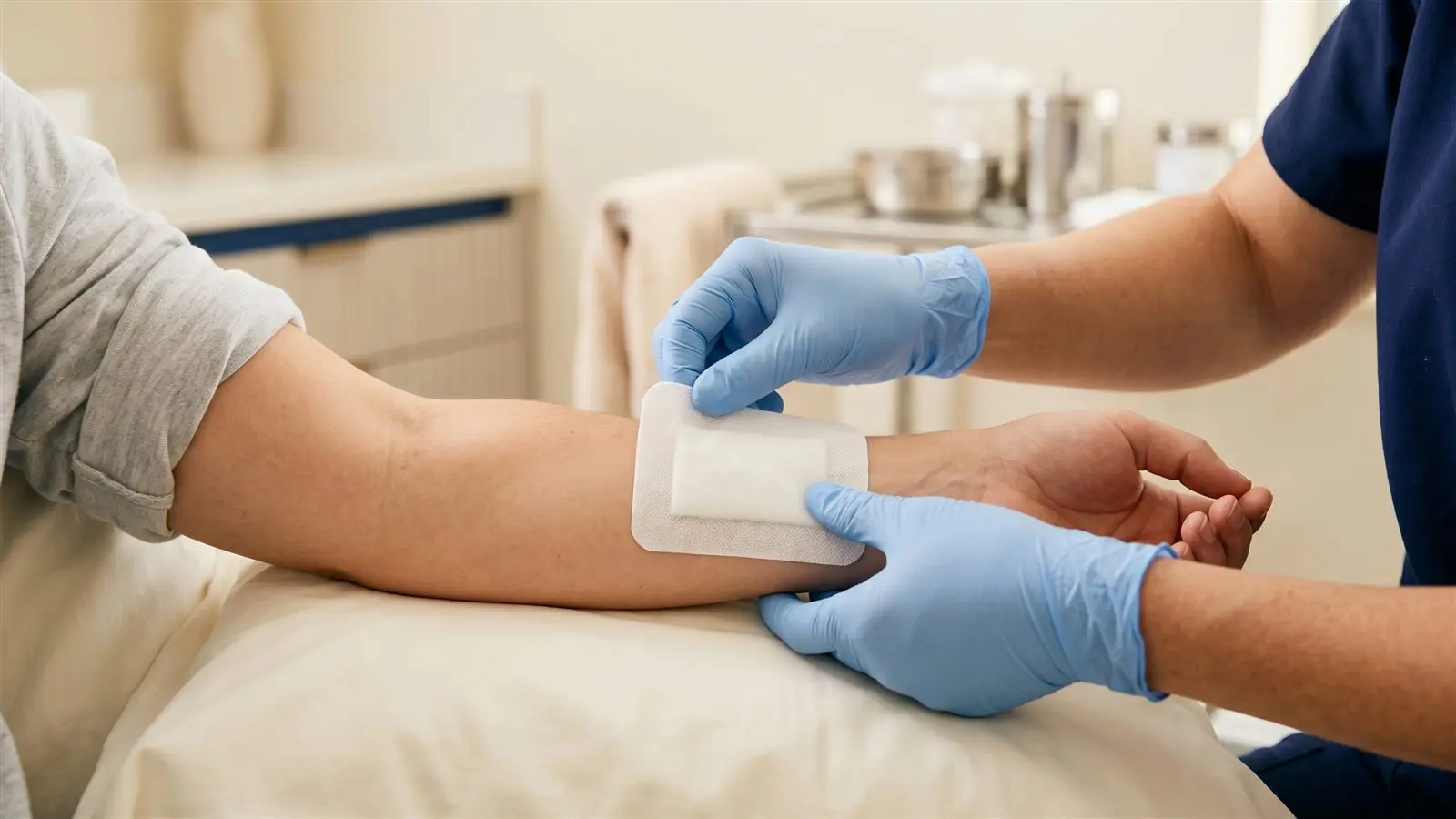
Wimmer provides professional wound care for slow-healing and chronic wounds: thorough evaluation of why a wound isn't closing, proper cleaning and modern dressing strategies, and advanced or biologic options where clinically appropriate — with referral coordination when a wound needs hospital-level care.
| Focus | Slow-healing and chronic wounds |
|---|---|
| Approach | Evaluate the cause, then treat |
| Options | Modern dressings; advanced options where appropriate |
| Coordination | Referral when hospital-level care is needed |
Why wounds stall
A wound that won't close usually has a reason — circulation, pressure, infection, swelling, nutrition, or an underlying condition. Effective wound care starts by identifying and addressing that reason, not just covering the wound.
Our approach
- Unhurried evaluation of the wound and the why behind it
- Cleaning, debridement, and modern dressing strategies
- Advanced and biologic options where clinically appropriate
- Clear home-care instructions and scheduled follow-up
- Coordination with your physician or a wound center when escalation is needed
When to be seen
A wound that hasn't meaningfully improved in two weeks, keeps reopening, or shows signs of infection — increasing redness, warmth, drainage, or odor — deserves professional attention. Earlier is always easier.
Terms to know
- Wound care
- Evaluation and treatment planning for wounds that need clinical attention.
- Regenerative medicine
- An umbrella term for care that uses biologic materials or physical stimulation as part of an individualized treatment plan.